

News

Introducing the JNE Experiential Learning Fund at McMaster University
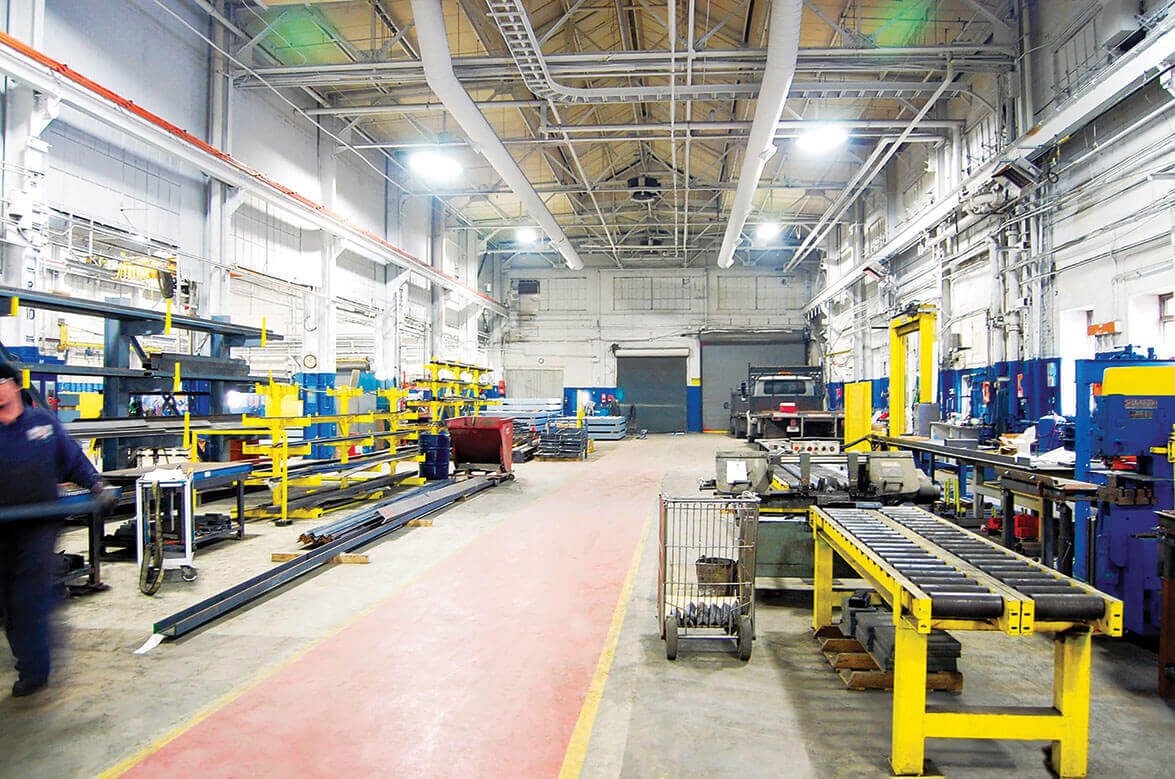
This is an initiative to provide students within the Introduction to Civil Engineering course the opportunity to engage in hands-on, real-world learning experiences. This announcement coincides with the 25th anniversary of JNE's establishment of the Endowed Chair in Civil Engineering at McMaster's Faculty of Engineering.
Incoming plant power distribution design and upgrades
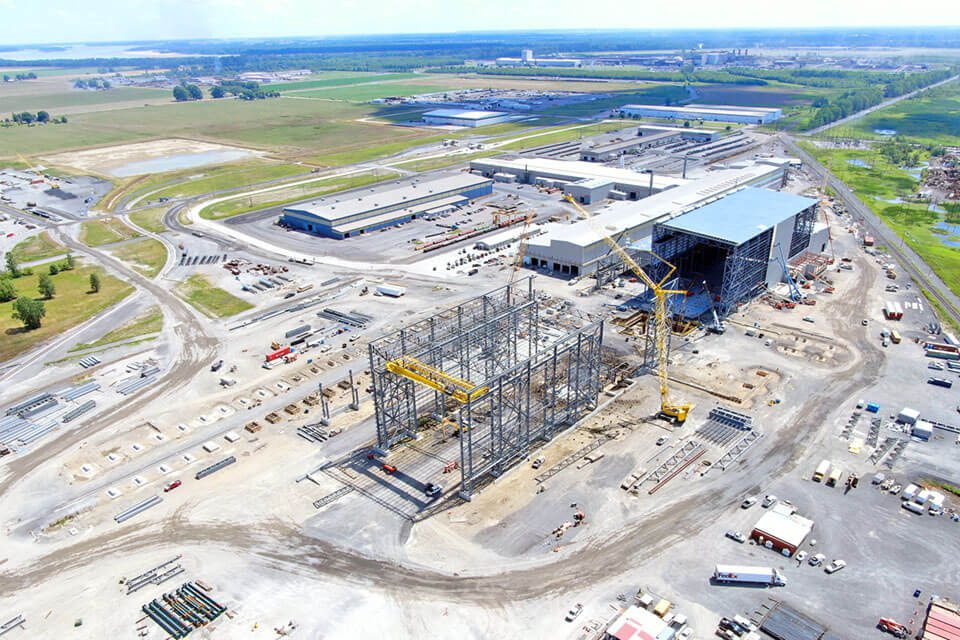
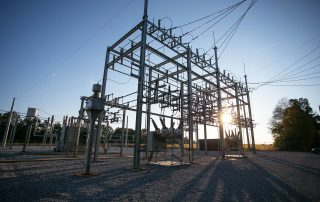
Looking to expand your plant or replace aging infrastructure? We work with you to ensure your power system is robust, safe, and reliable to help bring your process goals to reality. Through collaboration with process owners, original equipment manufacturers (OEMs), local utility companies (LDCs), and other key stakeholders, our team can gather the appropriate data to model and simulate the behaviour of plant power systems to develop applicable equipment specifications to meet your process needs.
Coming clean about soapy wastewater treatment
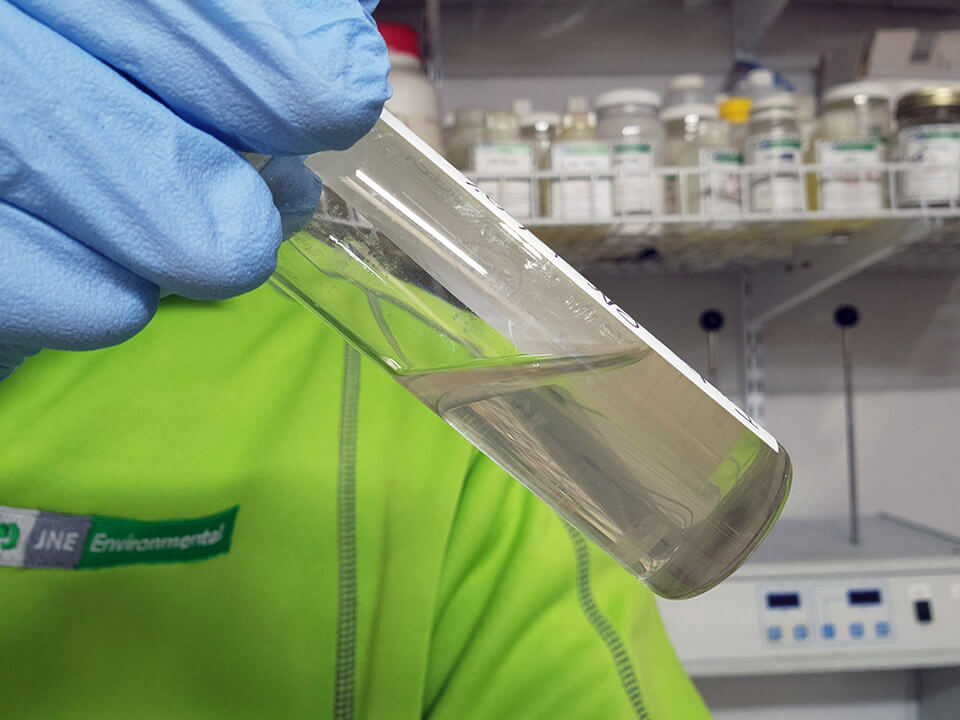
What happens to soapy water after it goes down the drain? The events of the past two years have seen everyone keeping clean by thoroughly washing their hands and constantly rinsing with soapy water. But how do you clean the water that is used for cleaning? JNE Environmental was approached to solve this exact problem.
Automatic Foam Detection and Suppression in Wastewater Systems
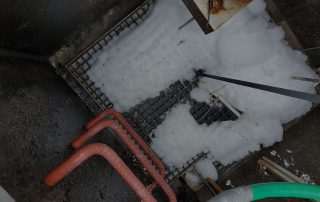
JNE Environmental was contracted by a soap manufacturer in the Toronto area to design and build a foam detection sensor package to enhance foam suppression measures within their plant. This new sensor package, capable of measuring foam height, automatically deploys water spray and anti-foam suppression measures when a specific height of foam accumulation is detected.
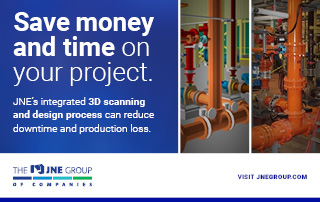
Integrating 3D Scanning and Design to Save Time and Money
Save money and time with our integrated 3D scanning and design services. JNE's process can help you achieve a more efficient project implementation cycle, reducing site visit time and cost and minimizing down time and production loss.
Owner’s Engineer
As an owner's engineer, JNE Consulting builds an understanding of your project goals, needs, and timelines, ensuring your project is executed to meet your requirements.
Safety Considerations for Pneumatic Pressure Testing
Safety considerations for pneumatic pressure testing. Safety considerations for pneumatic pressure testing. Published October 2023 Keywords Pneumatic Pressure Test Stored Energy Minimum Safe Distance Scaled Consequence Factor ASME PCC-2 Repair of Pressure Equipment and Piping Share Summary Pneumatic pressure testing poses a significant health and safety risk due to the stored energy of the test gas, especially on larger volume piping. This can affect the operations of clients or construction activities and should be considered when specifying pneumatic pressure tests. Safe distances for personnel are proscribed in ASME PCC-2 Repair of Pressure Equipment and Piping. Minimum safe distance is 30m (100ft) and increases with stored energy and risk of fragments being thrown. The safe distance can be reduced utilizing mitigation techniques included in ASME PCC-2. When specifying a pneumatic pressure test always consider stored energy and look to eliminate the need for the testing or substitute hydrostatic. Reducing the safe distance below 30m (100ft) should always be a last resort. Codes and Standards ASME PCC-2 Repair of Pressure Equipment and Piping Part 5 Examination and Testing – Article 501 Pressure and Tightness Testing of Piping and Equipment Mandatory Appendix 501-I Pressure/Leak Testing Mandatory Appendix 501-II Stored Energy Calculations for Pneumatic Pressure Test Mandatory Appendix 501-III Safe Distance for Pneumatic Pressure Test Mandatory Appendix 501-IV Risk Evaluation Considerations for Pneumatic Pressure Test Solution/Best Practice Part 5 of ASME PCC-2 and the related mandatory appendices are clear on the requirements for pressure testing piping and pressure equipment: Hydrostatic tests are preferred and should only be excluded from pressure testing if: The equipment, piping, and/or supports, including foundations, cannot adequately support the liquid weight. The equipment or piping cannot be dried, and traces of the test liquid may result in contamination of the system or its contents after returning to service. The equipment or piping has internal linings that could be damaged by the test medium. If a pneumatic pressure test is selected due to hydrostatic exclusion, then the following shall be adhered to: A stored energy calculation per Appendix 501-II shall be completed. The maximum stored energy should not be greater than 271,000,000J (200,000,000 ft-lb) When calculating stored energy, the total volume of a pressure vessel shall be considered. For piping systems, a length of 8 pipe diameters may be considered for any single failure analyzed. If the stored energy is greater than 271,000,000J the system shall either be broken into smaller test sections, a minimum safe distance per Appendix 502-III calculated and adhered to and/or protective barriers installed. A hazard analysis should be performed to evaluate the risks associated with stored energy. The minimum safe distance for a pneumatic pressure test regardless of stored energy is 30m (100ft). The safe distance cannot be obtained, an alternative can be chosen based on a scaled consequence factor from [...]
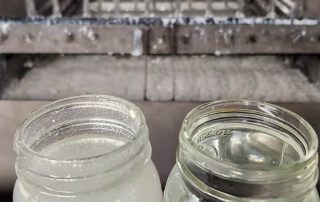
Emulsified Oils vs. Grease Traps: What You Need to Know
Are you considering installing a grease trap or oil interceptor at your facility to fix high FOG in your wastewater? There is more to this process than meets the eye. We often have new customers come to us after installing large, underground grease traps and interceptors with little to no reduction in FOG. Before taking action, we encourage you to learn from our experience with emulsified oils in grease traps, which can help you make a more informed decision with your wastewater treatment and save money for your business.